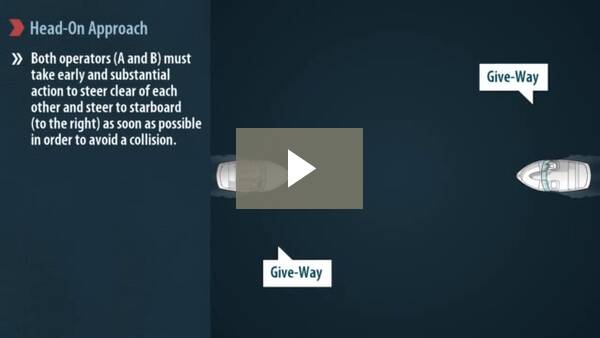
What Should A Sailboat Operator Do When Approaching A Pwc Head On
What Should A Sailboat Operator Do When Approaching A Pwc Head On. Shoot a flare and sound a danger signal on a horn. The boats are shown closer to each other than they should be when actually encountering another vessel on the water.
Boat Navigation in Canada BOATsmart! Knowledgebase from www.boatsmartexam.com
What should the sailboat operator do when? Maintain course and speed, but stay alert. A sailboat operator should maintain its current speed and its current course, while the pwc should maneuver to avoid the sailboat as the sailboat lacks maneuverability.
Show The Pwc That You See It And Are Making Clear And Predictable Moves To Avoid A Collision 2.
If a safe route exists, you should always attempt to pass the boat on the starboard side. However, it is up to the operator of the motorized craft,. Due to the lack of protection, pwc collisions are more likely to be deadly for the operator and any passengers.
When To Give Way To A Sailing Vessel?
Slow down and change course. A sailing vessel operator should sound a blast on the horn whenapproaching a pwc head on. Maintain present course and speed.
The Sailboat Must Maintain Its Course And Speed.
Both vessels should turn left. Slowly turn away from the pwc. What should a sailboat operator do when approaching a pwc head on boat ed?
The Pwc Is A Fast Powered Watercraft (Most Likely Without A Radio And Noisey Enough To Not Hear Your Warning ) And As Such Is Required To Yield The Right Of Way To A Vessel Under Sail.
By tacking, however, you 1. The pwc may be sucked into the other boat’s engine. Sailboats lack the maneuverability to stop in the same manner as a power craft.
The Pwc May Catch On Fire.
The back of the pwc is pushed to the left, and the pwc turns right. Both vessels should turn to starboard (the right). What should the sailboat operator do when?